
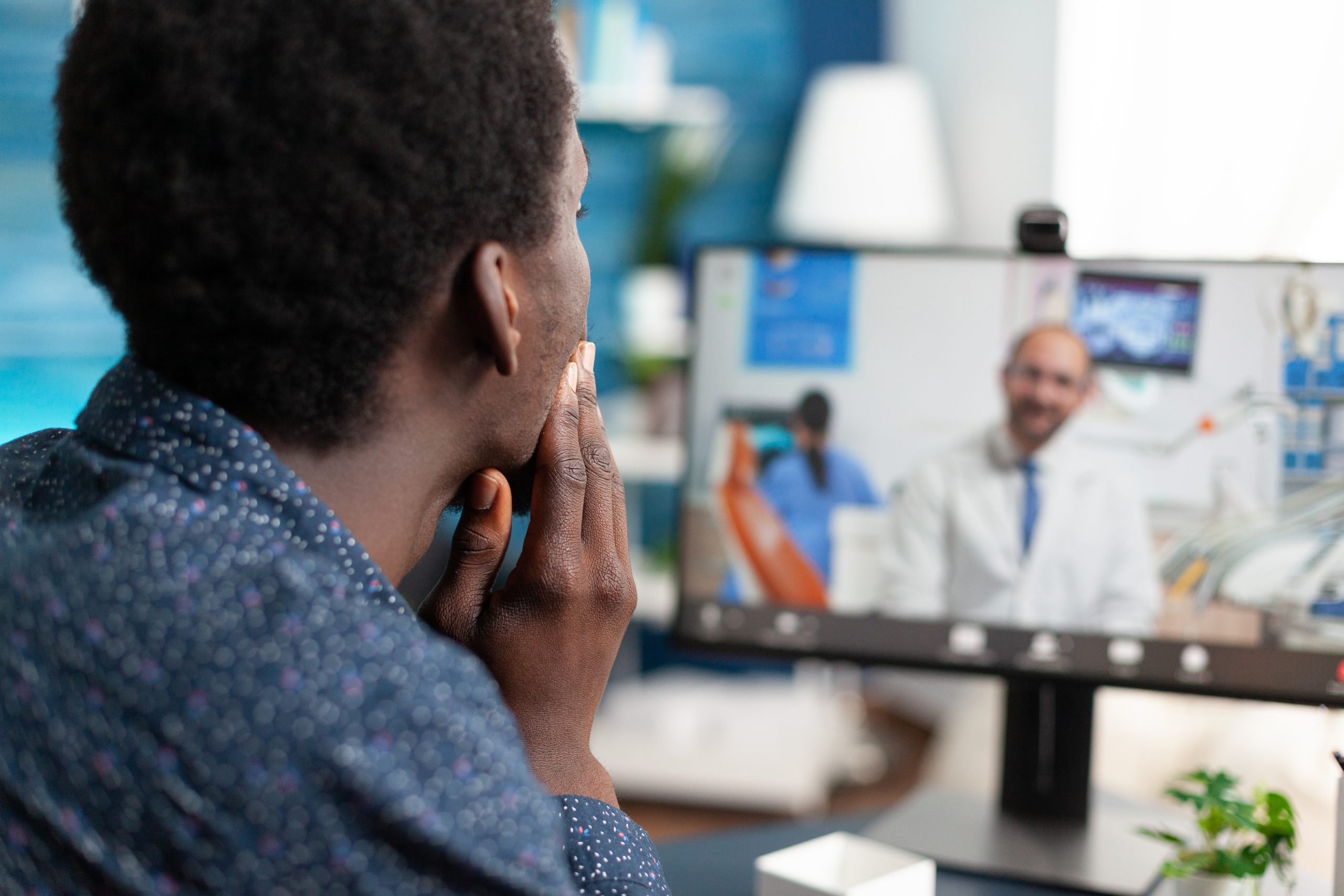
In recent years, telehealth has transformed from a convenient alternative to an essential component of modern healthcare. If you’re considering your first telehealth consultation, you might be wondering what the experience entails and how to make the most of it. This comprehensive guide will walk you through everything you need to know about preparing for and participating in your first telehealth appointment.
Why Choose Telehealth?
Before diving into the preparation details, let’s understand why telehealth consultations have become increasingly popular:
- Convenience: Connect with healthcare professionals from the comfort of your home
- Time-saving: No travel or waiting room time required
- Accessibility: Access quality healthcare regardless of your location
- Privacy: Discuss health concerns in your own private space
- Flexibility: Schedule appointments around your commitments
Before Your Consultation
Essential Preparation Steps
1. Technical Requirements
Your telehealth experience begins with having the right setup:
- A device with a camera and microphone (smartphone, tablet, or computer)
- Stable internet connection
- Quiet, private space with good lighting
- Any necessary apps or software installed
- Test your equipment before the consultation
2. Healthcare Information
Gather relevant information to make your consultation more effective:
- Current medications and dosages
- Recent medical history
- Any relevant test results or medical reports
- List of symptoms or concerns
- Questions you want to ask
3. Environment Setup
Create an optimal space for your consultation:
- Choose a well-lit room
- Ensure privacy
- Minimise background noise
- Have a pen and paper ready for notes
- Position your camera at eye level
- Test your microphone and speakers
During Your Consultation
What to Expect
Initial Connection
- Log in 5-10 minutes early
- Follow the provided link or instructions
- Enter any required verification details
- Wait in the virtual waiting room
The Consultation Process
1. Introduction and Verification
- Your healthcare professional will:
- Introduce themselves
- Verify your identity
- Confirm your location
- Ensure you’re in a private setting
2. Discussion and Assessment
- Share your health concerns
- Answer questions about your symptoms
- Discuss your medical history
- Participate in visual assessments if needed
3. Treatment Planning
- Receive professional advice
- Discuss treatment options
- Get prescriptions if necessary
- Plan follow-up care
Making the Most of Your Consultation
Communication Tips
- Speak Clearly: Ensure your healthcare provider can hear you properly
- Be Specific: Describe symptoms and concerns in detail
- Stay Focused: Minimise distractions during the consultation
- Ask Questions: Don’t hesitate to seek clarification
- Take Notes: Write down important information and instructions
Common Scenarios and Solutions
Technical Issues
- Have a backup device ready
- Keep your healthcare provider’s phone number handy
- Know how to troubleshoot basic connection problems
Physical Examination Needs
- Be prepared to:
- Show affected areas to the camera
- Perform basic self-examination under guidance
- Take photos of visible symptoms beforehand if relevant
After Your Consultation
Follow-up Care
- Documentation
- Save or write down any instructions
- Keep record of prescribed medications
- Note follow-up appointment details
2. Action Items
- Fill prescriptions if provided
- Schedule recommended tests
- Book follow-up appointments
- Implement suggested lifestyle changes
3. Monitoring
- Track your symptoms
- Document any side effects
- Note questions for future consultations
Privacy and Security
Telehealth consultations prioritise your privacy through:
- Secure video platforms
- Encrypted connections
- Private consultation rooms
- Professional confidentiality
- Compliance with healthcare regulations
What Can Be Treated via Telehealth?
Telehealth consultations are suitable for many conditions, including:
- Mental health support
- Chronic pain management
- Sleep disorders
- Anxiety and stress
- Medication reviews
- Follow-up care
- General health concerns
When to Choose In-Person Care
While telehealth is convenient, some situations require in-person care:
- Medical emergencies
- Physical examinations
- Complex procedures
- Severe symptoms
- When recommended by your healthcare provider
The Future of Healthcare
Telehealth represents a significant advancement in healthcare delivery, offering:
- Improved access to healthcare
- Reduced waiting times
- Convenient follow-up care
- Integration with traditional healthcare
- Enhanced patient engagement
Taking the First Step
Preparing for your first telehealth consultation might seem overwhelming, but remember that healthcare professionals are experienced in making the process as smooth as possible. They understand that this might be new for you and will guide you through each step.
Ready to Book?
Consider these final tips:
- Choose the Right Time
- Select a time when you won’t be rushed
- Ensure you’ll have privacy
- Account for potential technical setup time
2. Gather Your Information
- Prepare your health history
- List your questions
- Have your current medications ready
3. Set Up Early
- Test your equipment
- Prepare your space
- Have everything you need within reach
Conclusion
Telehealth consultations offer a convenient, efficient way to access professional healthcare. With proper preparation and understanding of what to expect, you can make the most of your virtual appointment and receive the care you need from the comfort of your home.
Ready to experience the benefits of telehealth? Book your consultation today and take the first step towards convenient, professional healthcare support.
Note: This article is for informational purposes only. Always follow specific instructions provided by your healthcare provider for your telehealth consultation.