
Living with chronic pain can feel like navigating through a maze without a map. While traditional pain management approaches have their place, the landscape of pain management is evolving, offering new hope and possibilities for those seeking relief. In this comprehensive guide, we’ll explore both time-tested and innovative approaches to managing chronic pain, helping you understand your options for a better quality of life.
Understanding Chronic Pain: More Than Just Discomfort
Chronic pain isn’t merely acute pain that overstays its welcome. It’s a complex condition that affects millions of Australians, impacting not just physical wellbeing but every aspect of daily life. Unlike acute pain, which serves as a warning signal for injury or illness, chronic pain persists beyond the typical healing period of 3-6 months, becoming a condition in itself.
What makes chronic pain particularly challenging is its individual nature. Two people with seemingly identical conditions might experience pain differently, requiring personalised approaches to management. This complexity is precisely why modern pain management has evolved beyond the traditional “one-size-fits-all” approach.
The Multifaceted Impact of Chronic Pain
Before diving into management strategies, it’s crucial to understand how chronic pain affects various aspects of life:
- Physical Impact: Beyond the pain itself, many experience reduced mobility, disturbed sleep, and decreased energy levels
- Mental Health: Chronic pain often accompanies anxiety, depression, and stress
- Social Life: Relationships and social interactions can suffer as pain limits activities
- Work Performance: Career and productivity may be affected, leading to financial stress
- Quality of Life: Overall enjoyment of daily activities and long-term wellbeing can be significantly impacted
Modern Approaches to Pain Management
1. Comprehensive Medical Assessment
The foundation of effective pain management begins with a thorough assessment. Modern healthcare providers now take a more holistic approach, considering:
- Pain patterns and triggers
- Impact on daily activities
- Sleep quality
- Mental health status
- Previous treatments and their effectiveness
- Lifestyle factors and environmental influences
2. Multimodal Treatment Strategies
Today’s pain management often combines various approaches:
Physical Interventions
- Targeted exercise programs
- Physical therapy
- Movement awareness techniques
- Ergonomic modifications
Psychological Support
- Cognitive Behavioural Therapy (CBT)
- Mindfulness and meditation
- Stress management techniques
- Pain coping strategies
Lifestyle Modifications
- Sleep hygiene improvement
- Dietary adjustments
- Activity pacing
- Stress reduction techniques
3. The Role of Technology in Pain Management
Modern technology has opened new avenues for pain management:
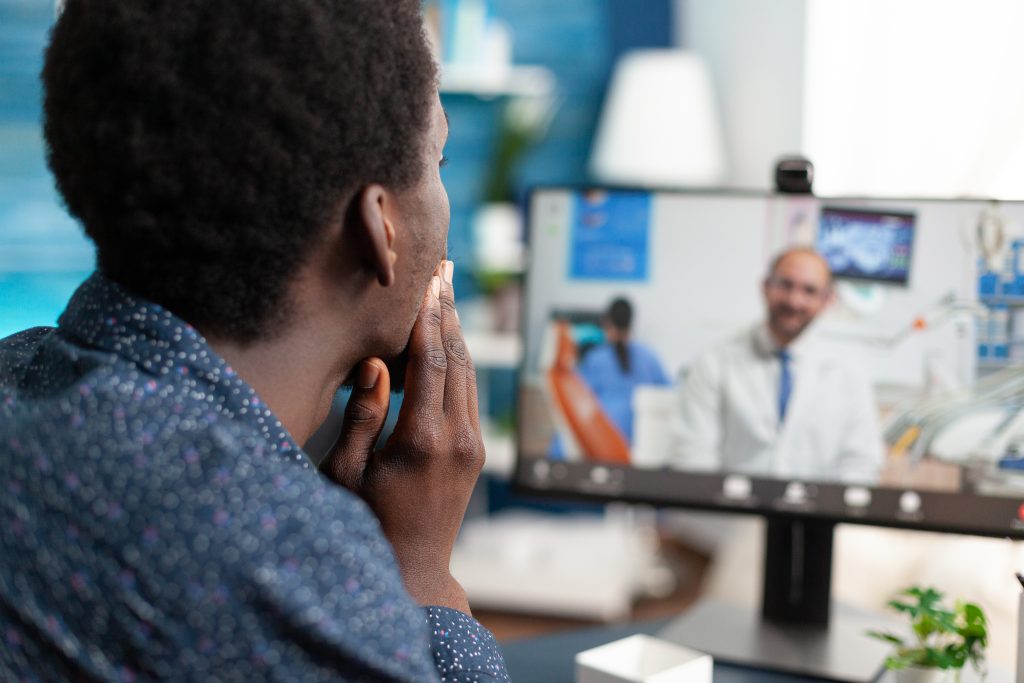
- Telehealth Consultations: Allowing regular check-ins with healthcare providers from home
- Pain Management Apps: Tracking pain patterns and medication schedules
- Wearable Devices: Monitoring activity levels and providing feedback
- Online Support Communities: Connecting with others who understand the journey
Beyond Traditional Pain Relief
While medication can play an important role in pain management, contemporary approaches often include:
Alternative Therapies
- Acupuncture
- Massage therapy
- Heat and cold therapy
- Therapeutic ultrasound
Mind-Body Techniques
- Breathing exercises
- Progressive muscle relaxation
- Guided imagery
- Biofeedback
Lifestyle Interventions
- Anti-inflammatory diet choices
- Regular gentle movement
- Stress management
- Sleep optimisation
The Importance of Individualised Care
One of the most significant advances in pain management is the recognition that treatment must be tailored to the individual. Factors that influence treatment plans include:
- Personal health history
- Lifestyle requirements
- Treatment preferences
- Support system availability
- Daily routine and commitments
Building Your Support Network
Effective pain management often requires a team approach:
- Healthcare Professionals: Doctors, specialists, and allied health practitioners
- Mental Health Support: Psychologists or counsellors specialising in chronic pain
- Family and Friends: Understanding support system
- Support Groups: Connecting with others who share similar experiences
Taking Control: Your Action Plan
- Start with Professional Guidance
- Seek a comprehensive assessment
- Discuss treatment options
- Set realistic goals
2. Develop a Daily Management Strategy
- Create a pain diary
- Establish routine check-ins
- Plan activities around energy levels
3. Build Healthy Habits
- Regular gentle exercise
- Consistent sleep schedule
- Balanced nutrition
- Stress management practices
4. Monitor and Adjust
- Track what works
- Note patterns and triggers
- Adjust strategies as needed
Looking to the Future
Pain management is an evolving field, with new approaches and treatments emerging regularly. Staying informed about options and maintaining open communication with healthcare providers ensures you can access the most effective treatments for your situation.
When to Seek Professional Help
Consider consulting a healthcare professional if:
- Your pain is impacting daily activities
- Current management strategies aren’t providing adequate relief
- You’re experiencing increased stress or anxiety
- You need support developing a comprehensive management plan
The Path Forward
Managing chronic pain is a journey, not a destination. While there might not be a single “cure,” understanding and implementing various management strategies can significantly improve quality of life. The key is finding the right combination of approaches that work for you, under professional guidance.
Remember, you don’t have to navigate this journey alone. Professional healthcare providers can offer support, guidance, and access to various treatment options, helping you develop a comprehensive plan that addresses your specific needs and circumstances.
Ready to take the next step in managing your chronic pain? Consider booking a telehealth consultation to discuss your situation with a healthcare professional who can help guide you toward the most appropriate management strategies for your needs.
Note: This article is for informational purposes only and should not be considered medical advice. Always consult with qualified healthcare professionals regarding your specific situation and needs.